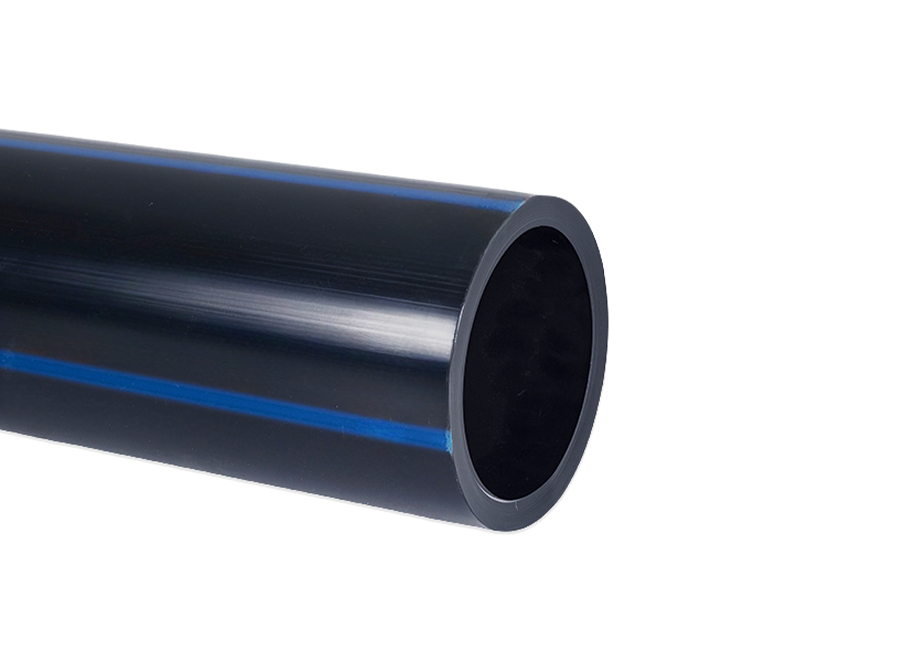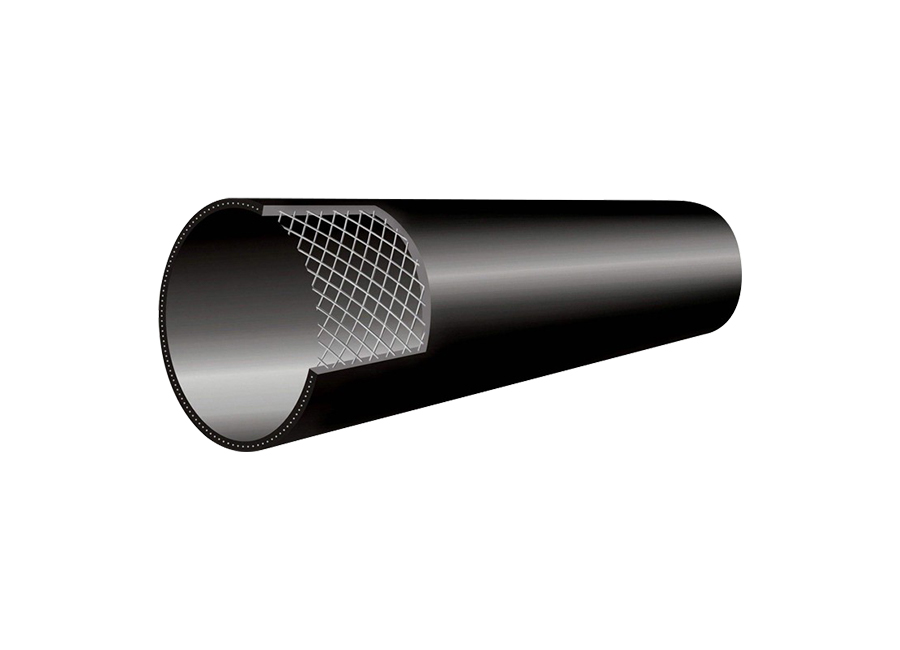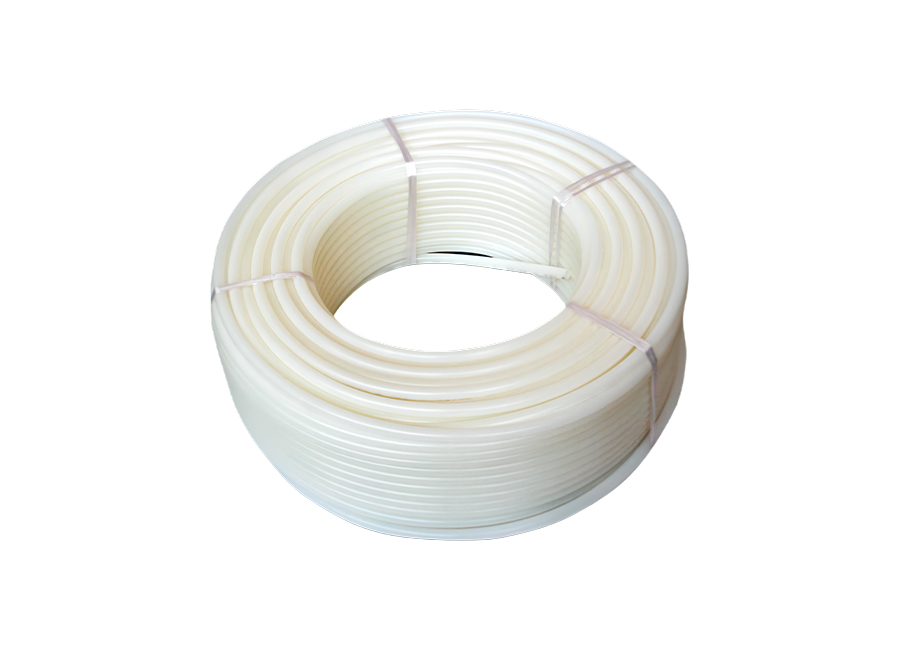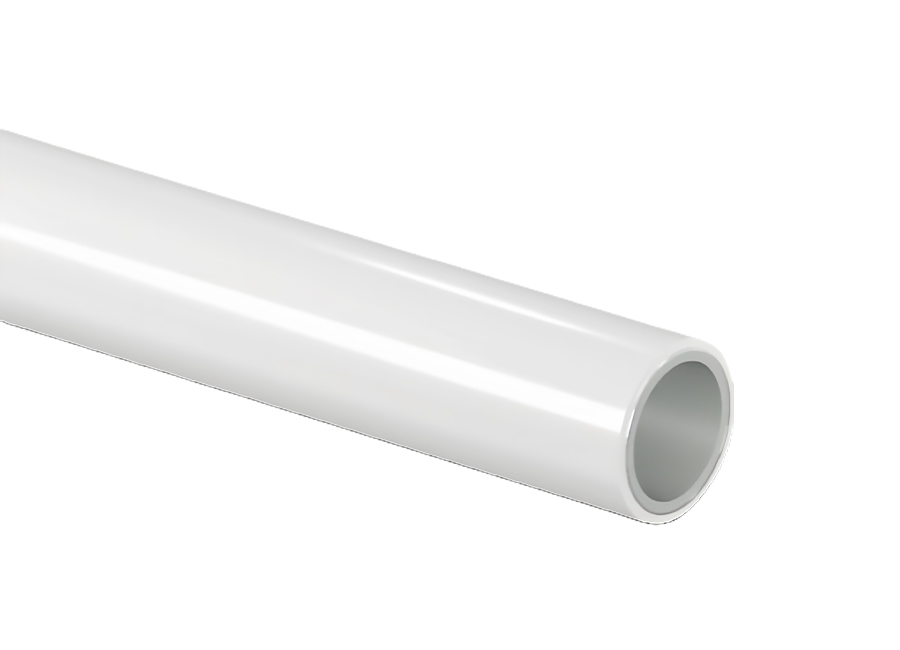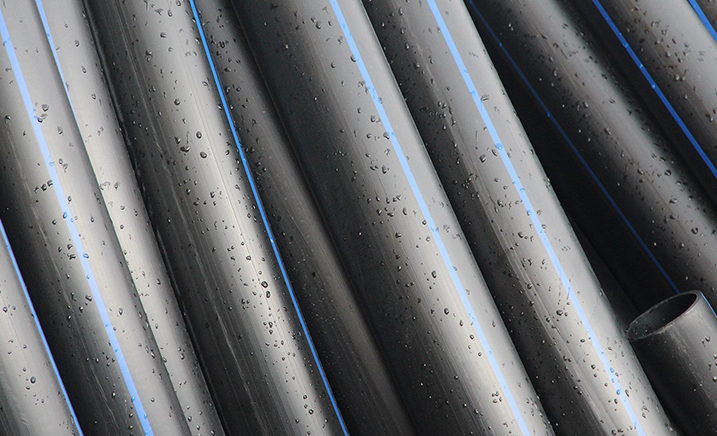
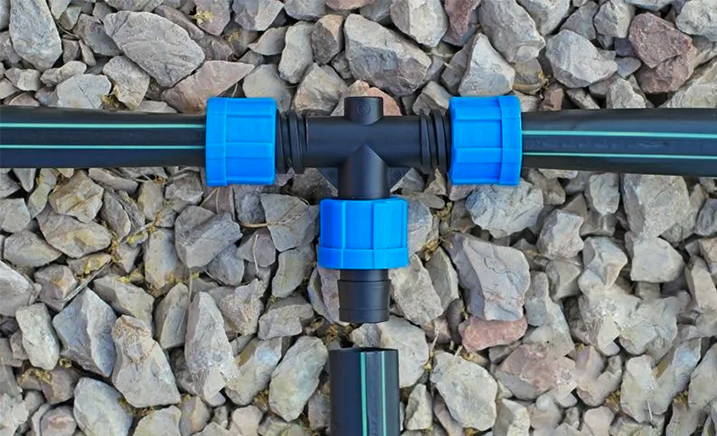
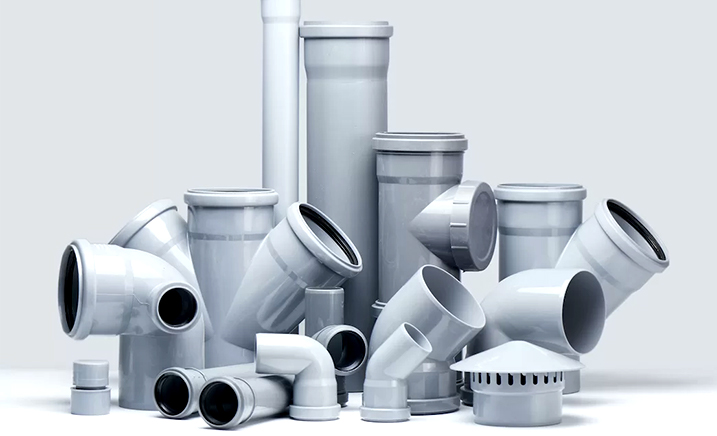
For most project selections, the recommended approach is to start with the required water flow and operating pressure, determine the appropriate pipe dimensions, and then confirm the material grade and installation conditions. A suitable PE Pipe for Water Supply should match the actual hydraulic demand, working conditions, connection methods, and project specifications rather than being selected by diameter alone.
This guide explains the main selection factors, PE80 vs PE100 pipe characteristics, PE pipe pressure ratings, PE pipe size charts, installation considerations, and practical purchasing checkpoints for water supply infrastructure projects.
 |
 |
Why Is PE Pipe Suitable for Water Supply Projects?
Polyethylene pipe is widely used in water distribution and infrastructure projects because of its flexibility, corrosion resistance, relatively smooth internal surface, and adaptability to different installation environments. It is manufactured from polyethylene materials and supplied in different diameters, wall thicknesses, and material grades to meet varying project requirements.
A PE water supply pipeline can be designed for municipal distribution networks, rural water supply systems, industrial water transportation, agricultural water delivery, and underground infrastructure. Its suitability depends on the selected material, pipe dimensions, operating conditions, and installation design.
Corrosion Resistance in Underground Environments
Unlike materials that may deteriorate through electrochemical corrosion, polyethylene is a non-metallic material. This characteristic makes PE pipe suitable for many buried water supply applications where soil moisture and other environmental conditions need to be considered.
Its corrosion resistance can reduce the need for corrosion-related maintenance. However, the surrounding soil, external mechanical loads, installation quality, and protection against physical damage still require attention.
Flexibility for Different Pipeline Routes
PE pipe offers a degree of flexibility that can help accommodate pipeline routes with gradual changes in direction. This characteristic is useful in projects involving uneven terrain, long underground sections, and certain trenchless installation methods.
The allowable bending radius depends on pipe diameter, SDR, material characteristics, temperature, and manufacturer recommendations. The pipe should not be bent beyond its permitted limits or forced into position during installation.
Smooth Internal Surface and Water Flow
The relatively smooth internal surface of polyethylene pipe supports efficient water transportation. Hydraulic performance, however, is also influenced by pipe diameter, flow velocity, pipeline length, fittings, elevation changes, and operating conditions.
For a water supply project, engineers should calculate the internal diameter and expected pressure losses rather than assuming that pipes with the same nominal outside diameter will provide identical flow performance.
Convenient Transportation and Installation
Depending on the diameter and wall thickness, PE pipes can be supplied in straight lengths or coils. Smaller-diameter coils may help reduce the number of joints required along suitable pipeline sections, while larger diameters are generally handled in straight lengths.
The appropriate delivery format should be determined by transportation conditions, site access, pipe dimensions, installation equipment, and project requirements.
Understand the Main Specifications of PE Pipe for Water Supply
Before selecting a PE pipe, buyers should understand the technical specifications shown on product datasheets. These specifications determine whether a particular pipe configuration is appropriate for the intended water supply application.
Pipe Material Grade
PE80 and PE100 are common polyethylene material classifications used in pressure pipe applications. The material grade relates to the long-term hydrostatic strength characteristics of the polyethylene compound under defined testing conditions.
- PE80: A polyethylene material grade with a lower classified minimum required strength than PE100. It is used in suitable pressure pipe applications where the pipe dimensions and design conditions are appropriate.
- PE100: A higher-strength polyethylene material grade that can allow a different combination of pressure capacity and wall thickness for a given pipe dimension, subject to the applicable design conditions.
When comparing PE80 vs PE100 pipe, buyers should consider the complete pipe specification rather than treating the material grade as the only selection factor. The SDR, diameter, operating temperature, design coefficient, and required pressure performance must also be evaluated.
Outside Diameter and Wall Thickness
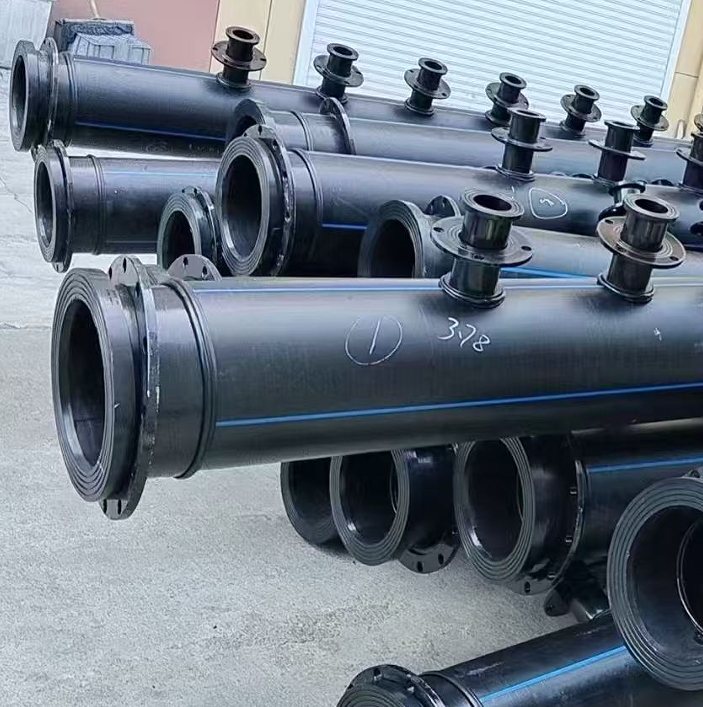
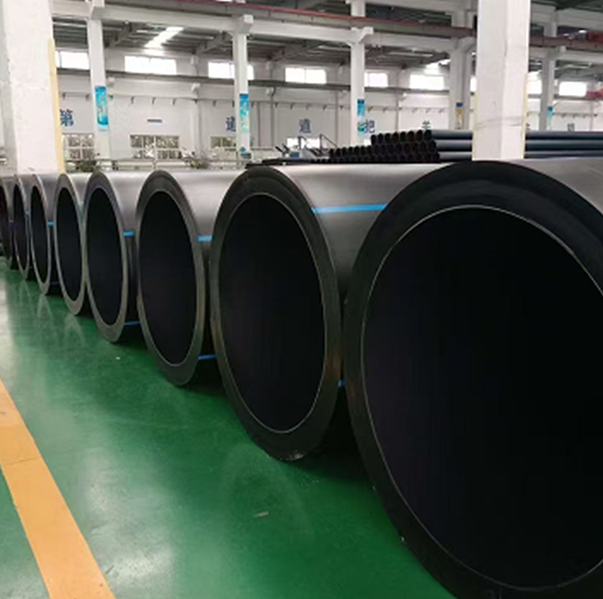
PE pipe specifications commonly identify the outside diameter and nominal wall thickness. These two dimensions determine the approximate internal diameter and are essential for hydraulic calculations and connection compatibility.
For example, two PE pipes with the same outside diameter but different wall thicknesses will have different internal diameters. A thicker wall generally results in a smaller internal passage, which may affect the available flow area.
SDR and Pipe Pressure Rating
SDR stands for Standard Dimension Ratio. It expresses the relationship between the pipe outside diameter and its nominal wall thickness. It is an important parameter when selecting PE Pipe for Water Supply because it is closely related to the pressure-bearing design of the pipe.
The basic relationship is:
SDR = Nominal Outside Diameter / Nominal Wall Thickness
For pipes made from the same material grade under the same design assumptions, a lower SDR generally means a thicker wall relative to the outside diameter and a higher pressure capacity. A higher SDR means a thinner wall relative to the outside diameter.
| Specification | Wall Thickness | Relative Pressure Capacity |
|---|---|---|
| Lower SDR | Thicker relative wall | Generally higher |
| Higher SDR | Thinner relative wall | Generally lower |
The PE pipe pressure rating should be confirmed from the manufacturer's technical datasheet and the relevant design conditions. Material grade, SDR, design coefficient, temperature, and operating requirements all influence the applicable pressure rating.
 |
 |
 |
PE80 vs PE100 Pipe: Which Material Should You Select?
PE80 and PE100 are both polyethylene material grades used in pressure pipe systems. The main difference is their classified minimum required strength. PE100 has a higher MRS classification than PE80, which can provide greater design flexibility when determining pipe wall thickness and pressure capacity.
For buyers evaluating PE80 vs PE100 pipe, the decision should be based on the project's operating pressure, pipe dimensions, design life requirements, material compatibility, and the applicable product specification.
| Comparison Factor | PE80 | PE100 |
|---|---|---|
| MRS Classification | 8 MPa | 10 MPa |
| Material Strength Classification | Lower | Higher |
| Wall Thickness Design | Based on applicable design conditions | May allow thinner walls at comparable design pressure |
| Typical Selection Consideration | Suitable for specified applications | Higher strength design requirements |
| Project Verification | Check complete specifications | Check complete specifications |
The MRS values shown above are material classification values, not the pressure rating of a finished pipe. A pipe's actual pressure rating must be calculated or selected using its material grade, SDR, design coefficient, and operating conditions.
When Should You Consider PE80?
PE80 can be considered when the specified material grade meets the project's pressure and dimensional requirements. Buyers should check the availability of matching fittings, the required connection process, and the technical documentation before confirming the material selection.
When Should You Consider PE100?
PE100 is often considered for modern pressure water supply networks where its higher material strength classification offers additional design flexibility. Depending on the project specification, it may allow a thinner wall at a comparable design pressure or provide a different pressure design option at the same SDR.
The final choice should always be supported by a complete engineering assessment. A higher material grade does not automatically mean that every PE100 pipe is suitable for every water supply project.
How to Read a PE Pipe Size Chart
A PE Pipe Size Chart helps engineers and procurement teams compare pipe outside diameters, nominal wall thicknesses, SDR values, and estimated internal diameters. It is especially useful when preparing material schedules, checking fitting compatibility, and reviewing project drawings.
One important point is that PE pipe dimensions are commonly specified by outside diameter rather than by internal diameter. The internal diameter changes according to the wall thickness and SDR.
Key Dimensions in a PE Pipe Size Chart
- Nominal Outside Diameter: The specified external diameter of the pipe, generally expressed in millimeters.
- Nominal Wall Thickness: The specified thickness of the pipe wall, which affects the internal diameter and pressure design.
- SDR: The ratio between nominal outside diameter and nominal wall thickness.
- Internal Diameter: The approximate available internal passage for water flow.
- Pressure Rating: The designated pressure capacity under specified material and design conditions.
| Pipe Parameter | What It Describes | Why It Matters |
|---|---|---|
| Outside Diameter | External pipe dimension | Fitting compatibility |
| Wall Thickness | Pipe wall dimension | Pressure design and internal diameter |
| SDR | Diameter-to-wall ratio | Dimensional and pressure comparison |
| Internal Diameter | Internal flow passage | Hydraulic calculations |
Example of PE Pipe Dimension Calculation
Consider a hypothetical PE pipe with an outside diameter of 110 mm and a nominal wall thickness of 10 mm.
Its approximate internal diameter can be calculated as follows:
110 - 2 x 10 = 90 mm
The calculated internal diameter is approximately 90 mm before accounting for dimensional tolerances. This example illustrates how wall thickness affects the internal water passage even when the outside diameter remains unchanged.
How to Select the Appropriate Pipe Diameter
Pipe diameter selection should be based on the required water flow, available pressure, pipeline length, elevation differences, and allowable hydraulic losses. Selecting a diameter only by matching an existing connection size may result in an unsuitable flow arrangement.
For a project with multiple supply branches, engineers should also consider simultaneous water demand and the flow requirements of individual sections. The main distribution pipeline and branch pipelines may require different outside diameters and wall thicknesses.
How to Determine the Correct PE Pipe Pressure Rating
The PE pipe pressure rating is one of the most important factors in water supply pipeline selection. The selected pipe must be suitable for the expected operating pressure and the pressure variations that may occur during system operation.
A pressure rating should not be determined from the SDR alone. The material grade and applicable design coefficient must also be considered.
Understand the Relationship Between MRS, SDR, and Pressure
For a simplified pressure pipe design relationship, the nominal pressure capacity can be expressed using the following formula:
PN = (20 x MRS) / [C x (SDR - 1)]
In this simplified relationship:
- PN: Nominal pressure rating expressed in bar.
- MRS: Minimum Required Strength of the polyethylene material, expressed in MPa.
- C: Overall design coefficient.
- SDR: Standard Dimension Ratio.
This relationship is useful for understanding how material strength, SDR, and design assumptions influence pressure capacity. Actual pipe selection must follow the applicable product specification and manufacturer datasheet, including temperature-related derating and other design considerations.
Consider Operating Pressure and Pressure Fluctuations
Water supply systems do not always operate at one constant pressure. Pump operation, valve movements, changes in demand, elevation differences, and sudden flow interruptions can create pressure fluctuations.
Water hammer is one example of a transient pressure condition. It may occur when water velocity changes rapidly, such as during sudden valve closure or pump shutdown. Engineers should assess the potential pressure surge and ensure the pipeline system is designed for the relevant operating conditions.
Check Water Temperature
The pressure capacity of a polyethylene pipe can be affected by operating temperature. A pressure rating established under reference conditions should not automatically be applied to every temperature range.
For projects involving elevated water temperatures or significant temperature changes, buyers should request the manufacturer's applicable temperature adjustment information and confirm the resulting design pressure.
PE Pipe vs PVC Pipe: What Should Water Supply Buyers Consider?
When evaluating PE Pipe vs PVC Pipe, the comparison should focus on the characteristics required by the water supply project. PE pipe is valued for flexibility, fusion joining options, and adaptability to certain buried and trenchless installation conditions. Its specific suitability depends on the selected material grade, pipe dimensions, and project design.
For this article, the selection discussion remains focused on PE pipe. The comparison below highlights the characteristics that buyers should evaluate when determining whether PE pipe meets their project needs.
| PE Pipe Characteristic | Project Consideration |
|---|---|
| Flexibility | Useful for suitable curved pipeline routes and certain trenchless applications. |
| Fusion Connections | Requires compatible equipment, trained operators, and controlled joining procedures. |
| Corrosion Resistance | Suitable for many underground environments without metallic corrosion. |
| Coil Supply | May reduce joint frequency in suitable smaller-diameter pipeline sections. |
| Hydraulic Performance | Requires correct internal diameter and flow calculations. |
For projects with complex routes, multiple underground sections, or requirements for fewer joints, PE pipe flexibility and fusion connection methods may be relevant advantages. However, the installation method, available equipment, site conditions, and project specifications should determine the final selection.
How to Select PE Pipe for Different Water Supply Applications
Different water supply projects have different operating conditions. A municipal distribution network may require a different diameter and pressure specification from an industrial water supply line or an agricultural distribution system.
Municipal Water Distribution Networks
Municipal water supply projects often involve long pipeline sections, multiple branches, buried installations, and varying demand throughout the distribution network.
When selecting PE Pipe for Water Supply in municipal projects, engineers should pay attention to:
- Peak and average water demand.
- Pipeline length and elevation changes.
- Required pressure rating and pressure fluctuations.
- Burial depth and external loading conditions.
- Connection methods and network maintenance arrangements.
Rural Water Supply Systems
Rural water supply systems may extend over considerable distances and pass through different soil and terrain conditions. Some projects include pumping stations, storage facilities, and distribution branches serving multiple communities.
PE pipe can be considered for suitable rural projects because of its flexibility and adaptability to underground routes. The diameter should be determined by the expected water demand and the hydraulic performance required at the delivery points.
Industrial Water Supply Systems
Industrial facilities may use PE pipelines to transport process water, cooling water, and other suitable water supplies. The operating environment should be evaluated carefully, especially where water temperature, flow demand, or operating pressure varies.
Buyers should provide the manufacturer with the intended application, operating temperature, pressure range, water characteristics, and installation conditions. This information helps determine the appropriate material and dimensional configuration.
Agricultural Water Distribution
Agricultural water supply networks may include long-distance transmission pipelines and branch lines supplying irrigation areas. Flow demand can vary depending on the irrigation schedule and the number of operating outlets.
For these applications, the pipe diameter, operating pressure, connection arrangement, and exposure to outdoor conditions should be reviewed together. Where pipes are installed above ground, suitable measures should also be considered to address mechanical damage and environmental exposure.
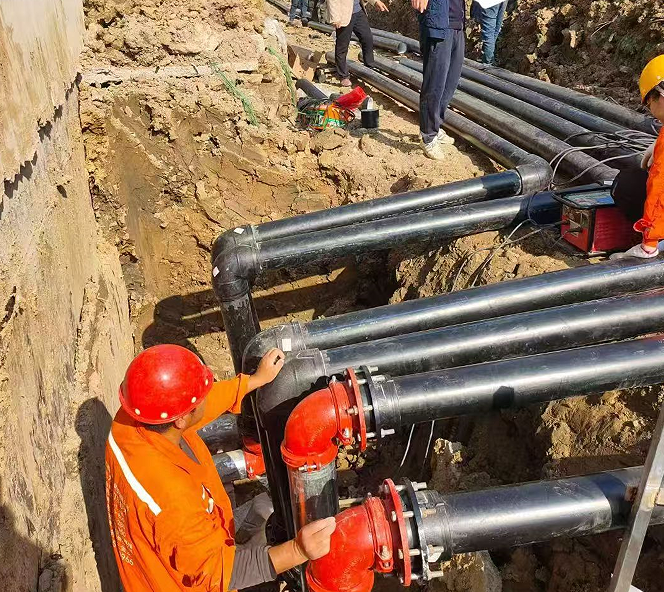
PE Pipe Installation: Important Factors Before and During Installation
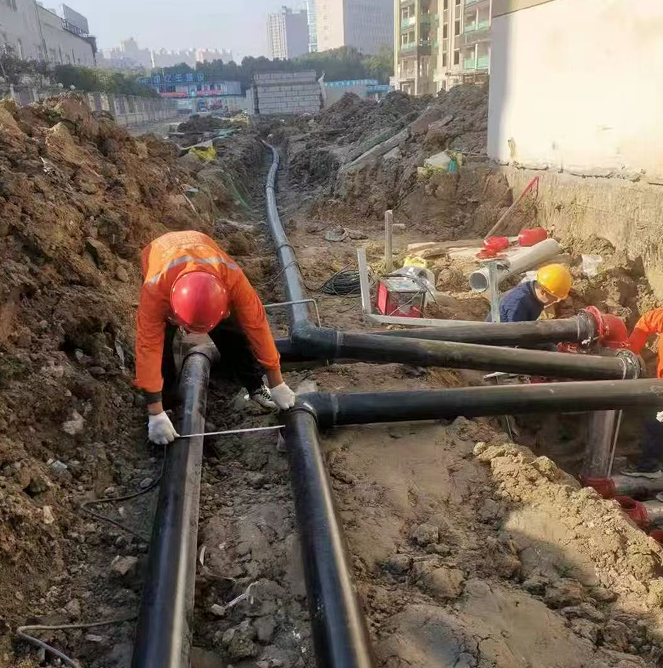
PE pipe installation directly affects the performance of a water supply pipeline. Even when the selected pipe dimensions and material specifications are appropriate, poor handling, incorrect joint preparation, unsuitable bedding, or inadequate testing can create problems during operation.
A well-planned PE Pipe Installation process should cover site preparation, pipe transportation, trench conditions, jointing, backfilling, and system inspection.
Site Preparation and Trench Conditions
Before laying PE pipes, the installation team should inspect the pipeline route and prepare the required trench or installation area. The ground should be assessed for stability, sharp objects, rocks, and other conditions that may cause localized damage.
The trench width, depth, bedding material, and support conditions should follow the project design and the pipe manufacturer's installation recommendations. Suitable bedding helps distribute external loads and supports the pipeline along its length.
Pipe Handling and Storage
PE pipes should be handled with appropriate lifting equipment and stored on a reasonably level surface. Dragging pipes across rough ground, allowing them to contact sharp edges, or exposing them to unnecessary impact should be avoided.
During storage, pipes should be arranged to prevent rolling or excessive deformation. The manufacturer's recommendations should be followed for stacking height, outdoor exposure, and storage duration.
Common PE Pipe Connection Methods
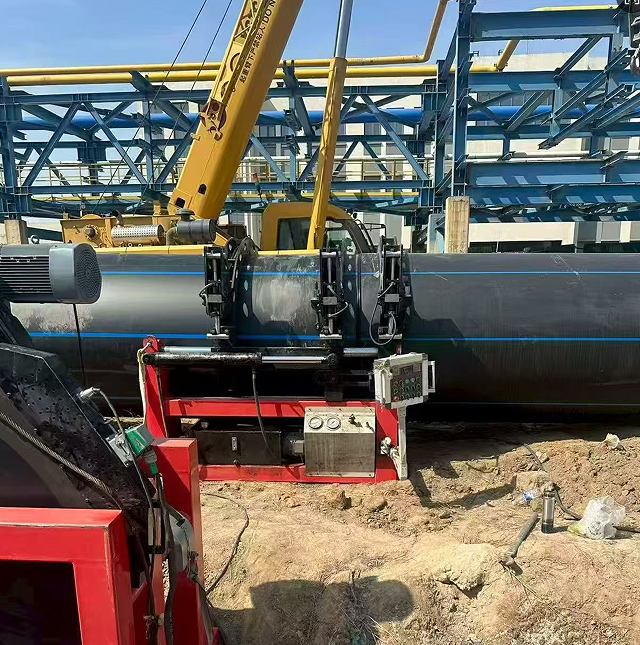
The connection method should be selected according to the pipe diameter, material compatibility, system design, and installation requirements. Common PE pipe joining methods include butt fusion, electrofusion, and suitable mechanical connections.
Butt Fusion
Butt fusion joins compatible PE pipe ends by heating the prepared surfaces and bringing them together under controlled pressure. The process requires suitable equipment, accurate alignment, clean pipe ends, and controlled heating and cooling conditions.
It is commonly considered for joining straight pipe sections and forming continuous pipeline runs.
Electrofusion
Electrofusion uses compatible fittings with integrated electrical heating elements. When the prescribed electrical cycle is applied, the fitting and pipe surfaces fuse together.
Surface preparation, correct fitting dimensions, alignment, and adherence to the equipment parameters are important for joint quality.
Mechanical Connections
Mechanical connections use compatible fittings and clamping arrangements to connect PE pipes. They may be considered for certain branch connections, equipment interfaces, or locations where a removable connection is required.
The fitting must match the pipe outside diameter, pressure requirements, and intended application.
Backfilling and Compaction
After the pipeline has been positioned and inspected, backfilling should be carried out according to the project installation plan. Suitable selected material should be placed around the pipe to provide uniform support.
Large rocks, sharp objects, and unsuitable materials should not be placed directly against the pipe. Compaction should be controlled to avoid excessive localized loading or deformation.
Pipeline Inspection and Testing
Before a water supply pipeline enters service, the installation team should inspect the completed connections and verify that the system has been installed according to the project design.
Pressure testing and other commissioning checks should be performed using the project-specific testing procedure. Test pressure, stabilization time, temperature conditions, and acceptance criteria should be established by the responsible engineering team.
Common PE Pipe Selection Mistakes to Avoid
Incorrect specifications can lead to installation difficulties, connection incompatibility, insufficient hydraulic performance, or unsuitable pressure capacity. Reviewing the following points before procurement can help reduce avoidable project problems.
Selecting Pipe Diameter Without Hydraulic Calculations
A pipe may have the correct connection size but an unsuitable internal diameter for the required flow. Check the expected demand, velocity, friction losses, and pressure available at the delivery point.
Ignoring SDR When Comparing Products
Two pipes with the same outside diameter may have different wall thicknesses and internal diameters. Always compare SDR and the complete dimensional specification.
Choosing Material Grade Without Considering Pressure
PE80 and PE100 have different material strength classifications. The selected grade must be evaluated together with SDR, design coefficient, temperature, and required operating pressure.
Overlooking Fitting Compatibility
The pipe and fittings should have compatible dimensions, material characteristics, and joining requirements. Confirm the connection system before ordering materials.
Not Considering Installation Conditions
Soil conditions, trench preparation, external loads, pipe handling, and connection quality all affect the completed pipeline. Include these factors during the design and procurement stages.
Providing Incomplete Specifications to the Manufacturer
Requesting a PE pipe based only on diameter may leave important details unresolved. Provide material grade, SDR, pressure requirements, dimensions, application, connection method, and delivery format when requesting a technical quotation or product proposal.
A Practical Checklist for Purchasing PE Pipe for Water Supply
A clear procurement specification helps manufacturers understand project requirements and prepare a suitable product proposal. Before placing an order, buyers should organize the following technical information.
| Item | Information to Confirm |
|---|---|
| Application | Municipal, rural, industrial, or agricultural water supply |
| Material Grade | PE80 or PE100, as required |
| Pipe Diameter | Required outside diameter in millimeters |
| Wall Thickness and SDR | Specified dimensions and dimensional ratio |
| Pressure Requirements | Normal operating pressure and relevant pressure fluctuations |
| Water Temperature | Expected operating temperature range |
| Connection Method | Butt fusion, electrofusion, or compatible mechanical fittings |
| Installation Conditions | Underground, above-ground, trenchless, or other specified conditions |
| Delivery Requirements | Straight lengths, coils, quantities, packaging, and destination |
| Technical Documents | Product datasheets, dimensional information, and applicable test documentation |
For large-scale projects, it is also useful to provide pipeline drawings, a material schedule, estimated quantities, and connection details. These documents allow the manufacturer to understand the complete supply requirements instead of reviewing individual pipe dimensions separately.
Why Work with an Experienced PE Pipe Manufacturer?
Selecting PE Pipe for Water Supply is a technical process involving material selection, dimensional specifications, pressure design, production quality, and project coordination. Working with an experienced manufacturer can help buyers obtain the product information and technical support needed during project planning and procurement.
A capable manufacturer should be able to explain product specifications, provide dimensional information, clarify available material grades, and coordinate the supply of compatible pipe accessories. For large infrastructure projects, manufacturing capacity, production planning, quality inspection, packaging, and delivery coordination are also important considerations.
Jiangyin Huada: PE Pipe Manufacturing and Project Supply
Established in 2003, Jiangyin Huada is a plastic pipe manufacturer integrating research and development, production, testing, and sales of pipes and related accessories. The company provides support across customized product design, manufacturing, procurement coordination, installation services, and after-sales maintenance.
With a diverse product system and international project experience, Jiangyin Huada exports its products to more than 30 countries and regions, including Western Europe, East Africa, Southeast Asia, North America, and the Middle East.
The company has participated in various domestic and international infrastructure projects, including the Bangladesh Nuclear Power Plant, the Belgian Telecommunications Pipeline Network, and Beijing Daxing Airport. These project experiences reflect its involvement in different infrastructure supply requirements.
Integrated Manufacturing and Technical Support
- Established Manufacturing Experience: Operating in the plastic pipe industry since 2003.
- Integrated Operations: Research and development, production, testing, and sales within one manufacturing system.
- Customized Solutions: Product design and production support based on customer requirements.
- International Supply Experience: Products exported to more than 30 countries and regions.
- Project Coordination: Support covering product procurement, installation, and after-sales maintenance.
For distributors, engineering contractors, infrastructure developers, and project procurement teams, Jiangyin Huada can assist with reviewing PE pipe specifications and coordinating product supply according to the application, dimensions, and project requirements.
Frequently Asked Questions About PE Pipe for Water Supply
The following answers address common questions from engineers, contractors, distributors, and buyers when selecting polyethylene pipes for water supply applications.
Q1. What Is PE Pipe and What Is It Used For?
PE pipe is a polyethylene pipe manufactured from thermoplastic material. It is used in water distribution networks, municipal infrastructure, rural water supply, industrial water transportation, and agricultural water delivery. Its flexibility, corrosion resistance, and fusion joining options make it suitable for various pipeline applications.
Q2. What Are the Different Types of PE Pipes?
Common pressure pipe material grades include PE80 and PE100. PE pipes are also available in different outside diameters, wall thicknesses, SDR classifications, and pressure ratings. The appropriate specification depends on the intended application and operating conditions.
Q3. What Is the Difference Between PE Pipe and HDPE Pipe?
PE stands for polyethylene, which is a broad family of thermoplastic materials. HDPE stands for high-density polyethylene, a specific category within this material family. In water supply applications, HDPE pipe is a common type of PE pipe. Product selection should be based on the actual material grade, dimensions, and pressure specifications.
Q4. What Are the Main Advantages of Polyethylene Pipes?
The main advantages include corrosion resistance, flexibility, a relatively smooth internal surface, and compatibility with different fusion joining methods. Depending on the dimensions and project design, PE pipes can also be supplied in coils or straight lengths.
Q5. Is PE Pipe Suitable for Drinking Water?
PE pipe can be used in drinking water distribution systems when the pipe material, finished product, and applicable product documentation meet the requirements of the intended application and destination market. Buyers should confirm the suitability of the specific product with the manufacturer before procurement.
Q6. How Do You Connect PE Pipes?
Common PE pipe connection methods include butt fusion, electrofusion, and compatible mechanical fittings. The correct method depends on pipe diameter, material compatibility, connection location, equipment availability, and project specifications.
Q7. How Do You Install PE Pipes Underground?
Underground PE pipe installation generally involves route preparation, trench excavation, suitable bedding, pipe positioning, connection, inspection, backfilling, and system testing. The detailed procedure should follow the project design and manufacturer's installation recommendations.
Q8. What Is the Difference Between PE80 and PE100 Pipe?
PE80 has an MRS classification of 8 MPa, while PE100 has an MRS classification of 10 MPa. PE100 therefore has a higher material strength classification. The actual pressure capacity of a finished pipe also depends on SDR, design coefficient, temperature, and other applicable design conditions.
Q9. How Do I Choose the Correct PE Pipe Pressure Rating?
Start by identifying the normal operating pressure and potential pressure fluctuations. Then evaluate the material grade, SDR, design coefficient, and water temperature. Confirm the final pressure rating using the manufacturer's technical datasheet and the project design requirements.
Q10. How Do I Read a PE Pipe Size Chart?
Check the outside diameter, nominal wall thickness, SDR, and corresponding pressure specification. The internal diameter can be estimated by subtracting twice the wall thickness from the outside diameter. Always refer to the manufacturer's dimensional datasheet for actual tolerances and product specifications.
Q11. What SDR Is Commonly Used for PE Water Supply Pipes?
Different SDR classifications are used for different pressure and dimensional requirements. The appropriate SDR depends on the material grade, operating pressure, temperature, design coefficient, and project specification. Buyers should not select an SDR without checking the complete pressure design.
Q12. What Information Should I Provide When Ordering PE Water Supply Pipes?
Provide the required material grade, outside diameter, wall thickness or SDR, pressure rating, application, operating temperature, connection method, required length, quantity, and delivery destination. Project drawings and a material schedule are also helpful for large orders.